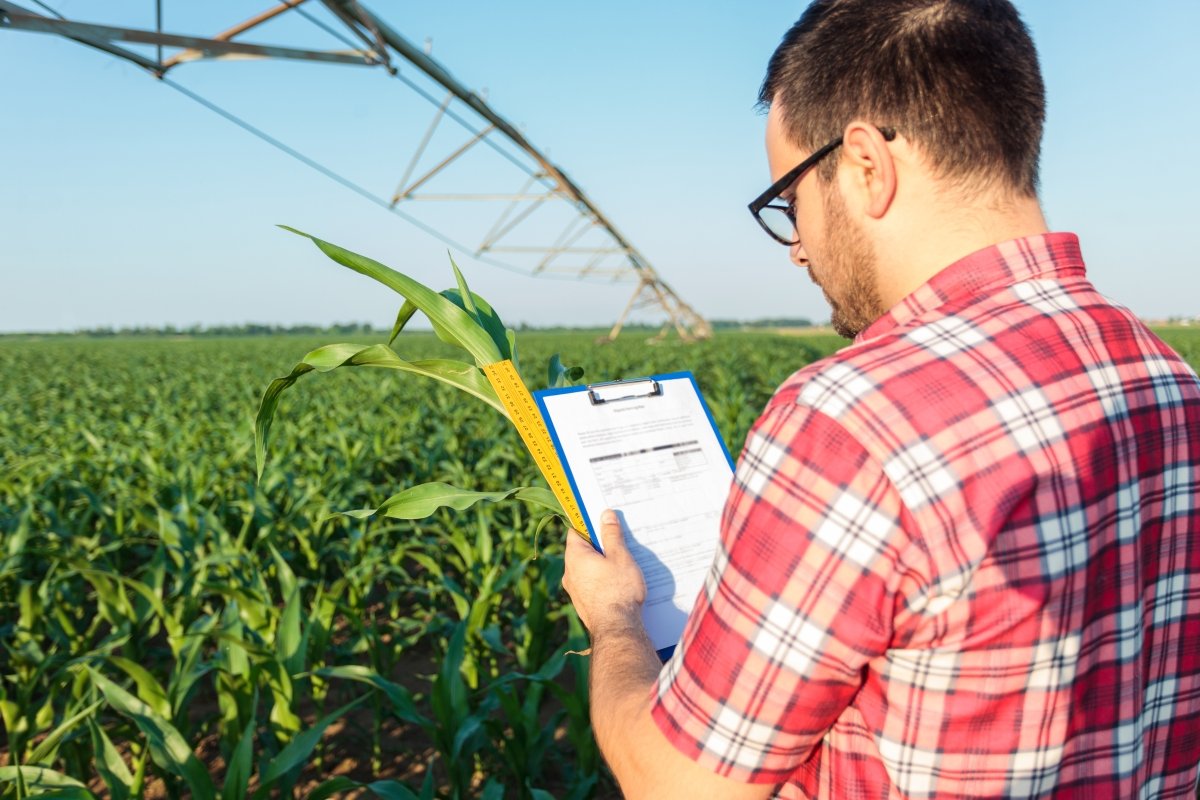
Canada is one of the world’s major agricultural countries and offers employment opportunities for farm workers in crop production, harvesting, livestock, greenhouse operations, fruit farms, vegetable farms and other agricultural activities.
If you are searching for Canada farm worker salary 2026, farm worker jobs in Canada for foreigners, farm labourer salary Canada, or Canada farm jobs with visa sponsorship, understanding the current wage information is an important first step.
According to Canada’s official Job Bank, the national median wage for Farm Labourer – Harvesting (NOC 85101) is CAD $18.00 per hour. The national reported wage range is approximately CAD $16.00 to CAD $25.00 per hour.
Canada Farm Worker Salary 2026
Farm worker salaries vary according to the type of agricultural work, province, employer, experience and job responsibilities.
National Farm Worker Salary
| Salary Level | Hourly Wage | Approx. Monthly* | Approx. Annual* |
|---|---|---|---|
| Low | CAD $16.00 | CAD $2,773 | CAD $33,280 |
| Median | CAD $18.00 | CAD $3,120 | CAD $37,440 |
| High | CAD $25.00 | CAD $4,333 | CAD $52,000 |
*Monthly and annual amounts are simple estimates based on 40 hours per week and 52 weeks per year. Actual earnings can vary because farm work may be seasonal and working hours can change.
The official Job Bank wage data was updated in August 2026, using the applicable 2023–2024 reference period for this occupation.
Farm Worker Salary by Province
Farm worker wages can be significantly different from one province to another.
| Province | Median Hourly Wage |
|---|---|
| Saskatchewan | CAD $26.00 |
| Manitoba | CAD $22.00 |
| Alberta | CAD $20.00 |
| Quebec | CAD $19.00 |
| Prince Edward Island | CAD $19.00 |
| New Brunswick | CAD $18.28 |
| British Columbia | CAD $18.25 |
| Ontario | CAD $17.71 |
| Nova Scotia | CAD $17.20 |
| Newfoundland and Labrador | CAD $17.00 |
These figures are from the official Job Bank wage data for Farm Labourer – Harvesting.
Which Province Pays Farm Workers the Most?
Among the provinces shown in the current Job Bank data, Saskatchewan has the highest median wage at CAD $26.00 per hour for harvesting farm labourers.
Manitoba follows at CAD $22.00/hour, while Alberta has a median of CAD $20.00/hour.
However, a higher hourly wage does not automatically mean higher savings. Workers should also consider accommodation, transportation, food, taxes and the number of working hours.
Farm Worker Jobs in Canada
Farm workers can work in several areas of agriculture.
Common positions include:
- General Farm Worker
- Farm Labourer
- Fruit Picker
- Vegetable Farm Worker
- Crop Farm Labourer
- Harvesting Labourer
- Greenhouse Worker
- Nursery Worker
- Livestock Farm Worker
- Dairy Farm Worker
- Grain Farm Worker
- Poultry Farm Worker
- Farm Equipment Helper
- Agricultural Labourer
Canada’s Job Bank describes harvesting labourers as workers who assist with planting, harvesting, sorting and packing crops and may participate in soil preparation, irrigation, spraying and thinning.
General Farm Worker Salary in Canada
The term general farm worker is commonly used for workers performing a variety of agricultural tasks.
The Job Bank currently places general farm labourer positions under the harvesting labourer occupational group, where the national median is CAD $18.00 per hour.
Responsibilities can include:
- Preparing soil
- Planting crops
- Watering crops
- Removing weeds
- Harvesting
- Sorting vegetables and fruit
- Packing agricultural products
- Cleaning farm areas
- Loading agricultural products
- Assisting experienced farm workers
Fruit Picker Jobs in Canada
Fruit picking is a common type of seasonal agricultural employment.
Workers may be required to:
- Pick fruit
- Sort produce
- Pack boxes
- Load harvested products
- Maintain harvesting areas
- Follow farm safety procedures
The exact wage depends on the employer and payment method. Some agricultural employers may use hourly wages, while other arrangements can involve production-based compensation where legally permitted.
Applicants should always check the written employment terms before accepting a position.
Vegetable Farm Worker Salary
Vegetable farm workers may work on farms producing:
- Potatoes
- Carrots
- Onions
- Tomatoes
- Cucumbers
- Peppers
- Lettuce
- Other vegetables
The Job Bank’s national wage figures for vegetable farm workers under NOC 85101 show CAD $18.00/hour median, with a national range of approximately $16.00–$25.00/hour.
Livestock Farm Worker Salary in Canada
Livestock farming is another important agricultural employment area.
Livestock farm workers can assist with:
- Feeding animals
- Cleaning barns
- Monitoring livestock
- Handling animals
- Maintaining equipment
- Cleaning agricultural facilities
- General farm maintenance
For Farm Labourer – Livestock (NOC 85100), Canada’s Job Bank reports a national median wage of CAD $20.00/hour, with a national range of $15.00–$28.00/hour.
Alberta’s median for this occupation is currently CAD $23.00/hour, while British Columbia and Manitoba show median wages of CAD $20.00/hour.
Horticulture Worker Salary
Horticulture workers can be involved in nurseries, landscaping-related plant production, greenhouses and other plant-based activities.
The Job Bank reports a national median wage of CAD $19.50/hour for Horticulture Labourers (NOC 85103), with a reported national range of $15.25–$29.00/hour.
This can make horticulture work another option for people interested in Canada’s agricultural sector.
Canada Farm Worker Jobs for Foreigners
Foreign workers can potentially obtain agricultural employment in Canada, but having a job advertisement does not automatically give someone the right to work in Canada.
The official Job Bank warns that people who are not legally authorized to work in Canada cannot apply for every Job Bank vacancy. It also directs foreign candidates toward employers recruiting workers from outside Canada.
Therefore, applicants outside Canada should specifically look for vacancies and immigration pathways that allow international recruitment.
Canada Farm Jobs With LMIA
Some Canadian agricultural employers may use the Temporary Foreign Worker Program (TFWP) when they need workers and meet the applicable requirements.
An employer may need a Labour Market Impact Assessment (LMIA) before hiring a foreign worker under an LMIA-based work-permit pathway.
However, not every farm job is an LMIA job.
Applicants should check:
- Whether the employer is recruiting internationally
- Whether LMIA support is available
- Job location
- Salary
- Working hours
- Accommodation
- Contract length
- Transportation
- Work-permit arrangements
An LMIA reference in a job advertisement should not be interpreted as a guaranteed visa or work permit.
Do Farm Jobs in Canada Provide Accommodation?
Some agricultural employers may provide accommodation or help workers arrange housing, particularly for seasonal agricultural employment.
However, accommodation is not automatically included in every farm job.
Before accepting an offer, ask the employer:
- Is accommodation provided?
- Is it free or deducted from wages?
- Is it shared accommodation?
- How far is it from the farm?
- Is transportation provided?
- Are utilities included?
- How much will the worker pay?
These details should be confirmed in writing.
Canada Farm Worker Requirements
Many entry-level farm labourer positions have relatively straightforward educational requirements.
For harvesting labourers, the Job Bank states that the occupation usually involves on-the-job training, short-term work experience and no formal education.
Depending on the specific position, employers may look for:
- Physical fitness
- Ability to work outdoors
- Ability to perform repetitive tasks
- Basic communication skills
- Agricultural experience
- Ability to work in a team
- Ability to follow safety instructions
- Previous farm experience
Specialized agricultural positions may have additional requirements.
How to Apply for Farm Worker Jobs in Canada
Step 1: Prepare Your CV
Your CV should include:
- Full name
- Contact information
- Work experience
- Farm experience
- Agricultural skills
- Education
- Language skills
- Driving experience, if applicable
- References, if available
If you have worked with livestock, tractors, harvesting equipment, greenhouses or irrigation systems, clearly mention that experience.
Step 2: Search for Jobs
Search reputable employment platforms and official Canadian employment resources.
Useful search terms include:
- Farm worker jobs Canada
- Farm labourer jobs Canada
- General farm worker Canada
- Fruit picker jobs Canada
- Vegetable farm jobs Canada
- Harvesting jobs Canada
- Greenhouse jobs Canada
- Livestock farm jobs Canada
- Dairy farm jobs Canada
- Farm jobs with accommodation Canada
- LMIA farm jobs Canada
- Farm worker jobs for foreigners Canada
Step 3: Check Employer Requirements
Read the entire job advertisement before applying.
Check:
- Salary
- Location
- Job duties
- Experience
- Accommodation
- Transportation
- Contract duration
- Work authorization requirements
Step 4: Apply Directly
Follow the employer’s application instructions and submit your CV.
Do not send money to an unknown person simply because they claim to have a Canadian farm job.
Step 5: Interview
Employers may ask about your previous farm experience and ability to perform physically demanding work.
Be prepared to explain:
- Where you worked
- What crops or animals you handled
- How long you worked in agriculture
- Whether you operated machinery
- Whether you worked outdoors
- Your availability
Step 6: Verify the Employment Offer
Before making travel arrangements, carefully verify the employer and employment contract.
Make sure the written offer accurately describes salary, duties, location and other benefits.
How Much Can a Farm Worker Earn Per Month in Canada?
Using the national median wage of CAD $18/hour, a simple 40-hour-week calculation gives approximately:
CAD $3,120 per month before deductions.
At CAD $20/hour:
CAD $3,467 per month.
At CAD $25/hour:
CAD $4,333 per month.
Actual earnings can differ substantially because agricultural employment can be seasonal and weekly hours can vary.
Is Farm Work a Good Career in Canada?
Farm work can be suitable for people who enjoy outdoor work and are interested in agriculture.
Potential advantages include:
- Entry-level opportunities
- On-the-job training
- Seasonal employment opportunities
- Agricultural experience
- Opportunities in different provinces
- Potential employer-provided accommodation in some jobs
However, agricultural work can be physically demanding and may involve outdoor work in changing weather conditions.
Workers should understand the job duties and employment conditions before accepting an offer.
Current Farm Job Opportunities in Canada
Canada’s Job Bank currently shows more than 1,000 advertised positions associated with the harvesting farm-labourer occupational group, although the exact number changes as employers add and remove vacancies.
This demonstrates that agricultural employment remains an active category, but applicants should distinguish between jobs available to people already authorized to work in Canada and vacancies that are open to international candidates.
Important Warning for Foreign Applicants
Be cautious about advertisements promising:
- Guaranteed Canadian farm job
- Guaranteed LMIA
- Guaranteed Canadian work permit
- Guaranteed permanent residence
- Guaranteed visa
No legitimate website should promise that a job automatically guarantees immigration approval.
Do not pay an unknown individual for a job offer simply because they promise a high salary or guaranteed visa.
Always verify the employer, job offer and immigration requirements through official sources.
Frequently Asked Questions
What is the average farm worker salary in Canada?
For Farm Labourer – Harvesting, the national median wage is CAD $18.00 per hour according to Canada’s Job Bank.
What is the minimum farm worker salary in Canada?
The national low wage listed by Job Bank for harvesting farm labourers is CAD $16.00/hour, although applicable employment standards and minimum wages can vary by province and circumstances.
Which province pays farm workers the most?
For harvesting farm labourers, Saskatchewan currently has the highest median wage among the provinces listed, at CAD $26.00/hour.
How much does a farm worker earn per month in Canada?
At the national median of CAD $18/hour, a 40-hour work week produces an approximate gross monthly income of CAD $3,120 before deductions.
Can foreigners apply for farm jobs in Canada?
Foreign workers can potentially apply for agricultural employment, but they need the appropriate authorization to work in Canada. Job Bank notes that not every vacancy is available to people outside Canada.
Do Canadian farm jobs provide accommodation?
Some employers may provide accommodation, particularly for certain seasonal agricultural positions, but applicants should never assume accommodation is included unless it is clearly stated in the employment offer or contract.
Is farm work in Canada seasonal?
Many crop and harvesting jobs are seasonal. The duration and number of working hours can depend on the crop, weather, farm and production season.
Is previous farm experience required?
Not always. Job Bank indicates that harvesting labourer positions usually involve on-the-job training and generally do not require formal education.
Final Conclusion
Canada Farm Worker Salary 2026 varies according to the type of agricultural work and location.
For harvesting farm labourers, Canada’s official Job Bank currently reports a national median wage of CAD $18.00/hour, with a national range of CAD $16.00–$25.00/hour. Saskatchewan reports a median of CAD $26.00/hour, while Alberta reports CAD $20.00/hour for this occupation.
For livestock farm labourers, the national median is higher at CAD $20.00/hour, with a reported range of CAD $15.00–$28.00/hour.
Foreign applicants should focus on legitimate employers, verify whether a position accepts international candidates, understand the applicable work-permit pathway and avoid anyone promising a guaranteed Canadian job or visa.
Disclaimer
Salary figures are based on current Canadian Job Bank wage information and are provided for general informational purposes. Wages, vacancies, employment conditions and immigration requirements can change. Applicants should verify the current vacancy, employer, employment contract and work authorization requirements through official Canadian sources before making travel or financial decisions.